
Donald Trump’s rise to power over U.S. voters stems from a mix of economic, social, cultural, and personal factors. Economic discontent, driven by high prices and immigration concerns, fueled voter frustration, with many trusting Trump over opponents on these issues despite some economic gains under other administrations. His image as a strong, decisive leader promising change resonated with those disillusioned by political elites, making leadership and disruption key voter priorities.
In 2024, Trump expanded his coalition, gaining support among white voters, Latino men, and men across age groups, reflecting his appeal to diverse demographics feeling alienated by progressive shifts. Cultural anxieties also played a role, as research shows many supporters felt traditional groups—white Americans, Christians, men—faced status threats from diversity and globalization. Trump’s rhetoric on American identity and traditional values tapped into these concerns.
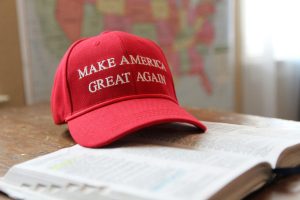
His fiercely loyal “MAGA” base, undeterred by controversies or legal challenges, viewed him as a defender against a biased establishment, bolstered by rallies and direct communication on platforms like X. Trump’s mastery as a salesman further amplified his influence. Using simple slogans, emotional appeals, and memorable branding, he connected authentically with voters, framing opponents effectively while maintaining a high-energy presence.
Trump’s voter base is diverse, encompassing economic populists, cultural conservatives, anti-establishment rebels, and pragmatists drawn to his promises. This broad appeal, though divisive, built a winning coalition. While critics note his salesmanship falters in legislative or diplomatic contexts, his ability to sell himself and his vision is undeniable.