
Rivalry With China and Russia Reinforces the Real Causes of American Decline By Michael Brenes and Van Jackson – Foreign Affairs, July 14, 2022
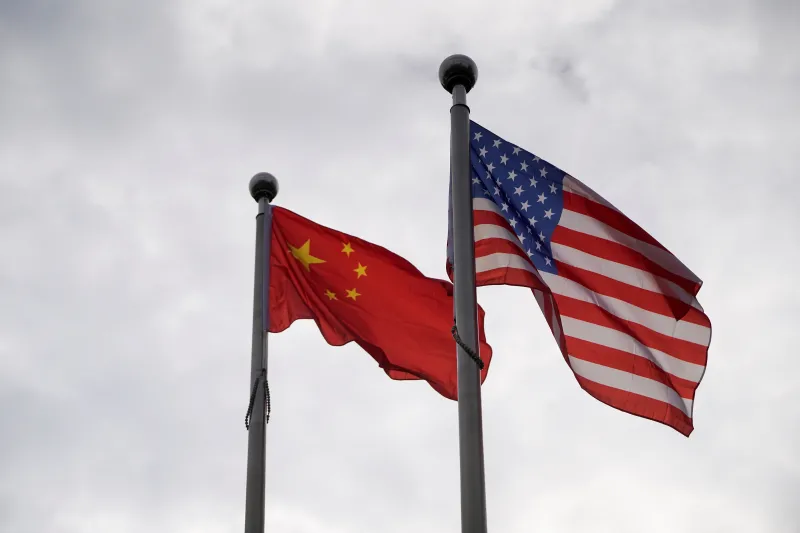
The article “Great-Power Competition Is Bad for Democracy” from Foreign Affairs argues that the current U.S. focus on rivalry with China and Russia is detrimental to democracy. The authors, Michael Brenes and Van Jackson, contend that this competition does not strengthen civic bonds, equal rights, or economic security. Instead, it risks exacerbating issues like climate change, white nationalism, pandemics, and economic inequality. They suggest that rather than pursuing great-power rivalry, the U.S. should promote regional and global governance institutions to address these challenges and support democracy.
Their Key Points:
- Historical Context: The authors draw parallels between the current U.S. focus on great-power competition and past Cold War dynamics. They argue that such competition historically led to negative domestic consequences, including the erosion of democratic norms and civil liberties.
- Domestic Impact: The article highlights how prioritizing rivalry with China and Russia can divert attention and resources away from pressing domestic issues. This includes addressing economic inequality, healthcare, and infrastructure, which are crucial for maintaining a healthy democracy.
- Global Challenges: Brenes and Jackson emphasize that great-power competition does not effectively address global challenges like climate change, pandemics, and economic instability. They argue that these issues require international cooperation rather than rivalry.
- Democratic Values: The authors suggest that framing foreign policy around competition undermines democratic values by fostering nationalism and militarism. This can lead to increased polarization and weaken the social fabric of democratic societies.
- Alternative Approach: Instead of focusing on competition, the article advocates for strengthening regional and global governance institutions. This approach aims to promote cooperation on shared challenges and support democratic governance worldwide.
- Policy Recommendations: The authors recommend that the U.S. should invest in diplomacy, international institutions, and multilateral agreements. They believe this strategy would better support global stability and democratic values.
The article ultimately argues for a shift in U.S. foreign policy from great-power competition to a more cooperative and multilateral approach to address both domestic and global challenges effectively.